


Blog


Secure Web Search for AI Analytics Agents: Why It Matters and How We Built It
Zenlytic's new web search feature lets your AI analyst combine real-time web context with private company data. Here's why security had to come first, and how we built it so data exfiltration is architecturally impossible.
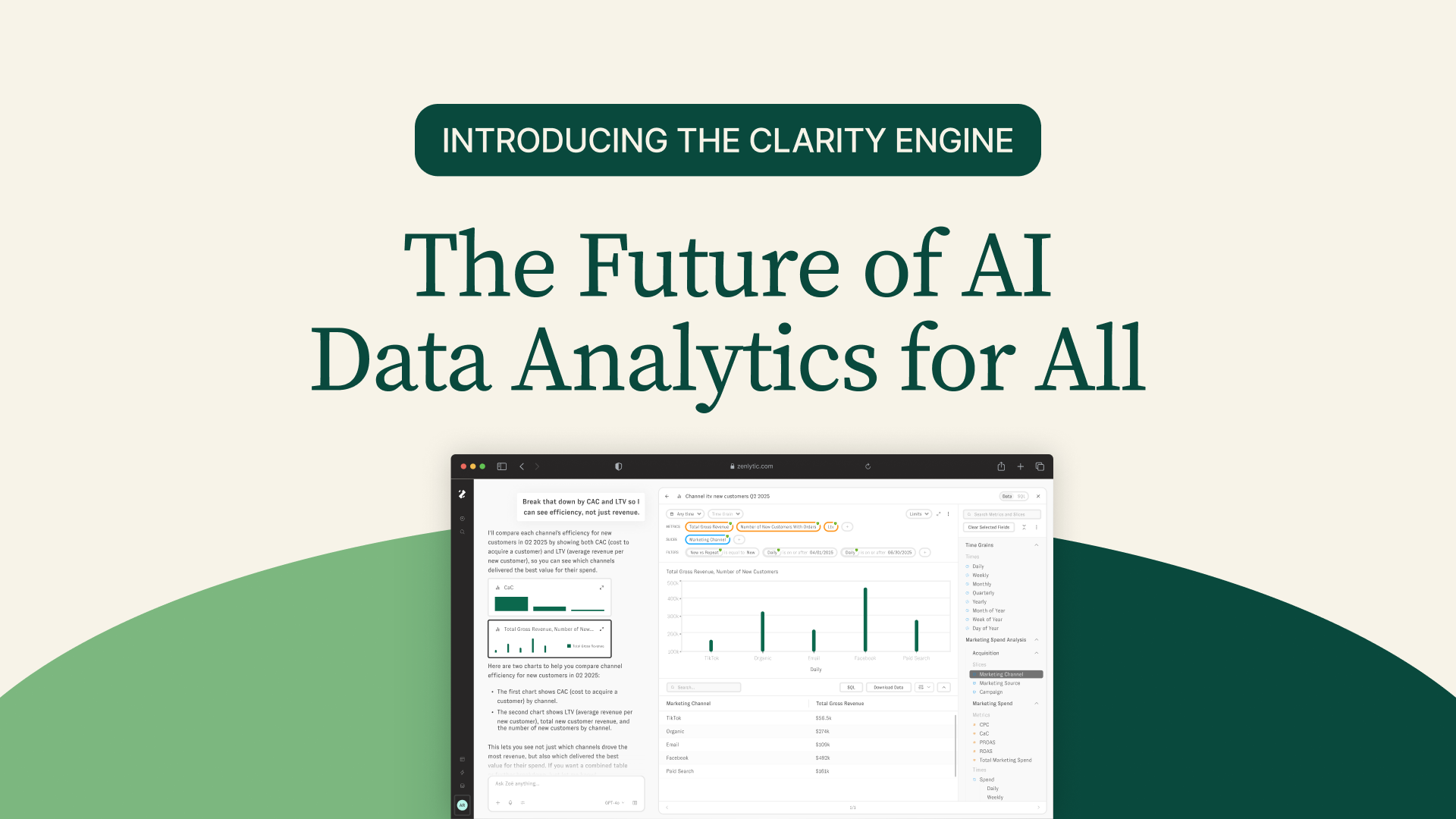
The Future of AI Data Analytics for All: Introducing the Clarity Engine
The Flexibility of SQL Meets the Trust of a Semantic Model: Introducing the Clarity Engine
Zenlytic at Snowflake Summit 2025 Recap: Live from San Francisco
Snowflake Summit 2025 took over the Moscone Center in San Francisco last week, and Zenlytic was right in the middle of all the action. Whether you met us on the expo floor or over a glass of sparkling champagne at Zoë Bar, one thing was clear: the AI analytics wave isn’t just coming... It’s here. And Zoë is the differentiator.


Introducing Intelligent ✨ Workflows: Data workflows powered by an AI data coworker
With intelligent workflows you can prompt and orchestrate workflows to accomplish simple, complex, and multi-step actions as your data coworker. Leveraging Zenlytic's complete intelligent analytics platform—with dashboards, reports, data explorer, and cognitive layer—analyzing data has never been more powerful.
Zenlytic Achieves Google Cloud Ready - BigQuery Designation
By earning this designation, Zenlytic has proven that our Intelligent Analytics platform and Zoë, our AI data coworker, have met a core set of functional and interoperability requirements when integrating with BigQuery.

Hype Alert: Not All AI-Enabled Business Intelligence Makes the Grade
John Santaferraro, CEO and Head Research Analyst at Ferraro Consulting, published five best practices to maximize impact of AI for BI. He also provides the foundational AI enablers for Business Intelligence.


Has the modern data stack failed the business?
The modern data stack (MDS) transformed how data teams work, providing more power and efficiency than ever before. Tools like dbt, cloud warehouses, and automated testing have streamlined many processes. But is the business actually realizing the benefits?
.png)


Ad Fontes Media uses Zenlytic to scale analytics with self-serve BI
By partnering with Zenlytic, a software company building the first self-serve business intelligence platform, Ad Fontes Media was able to increase productivity of the data team so they could deliver more precise insights to its customers, faster, without having to hire more team members.


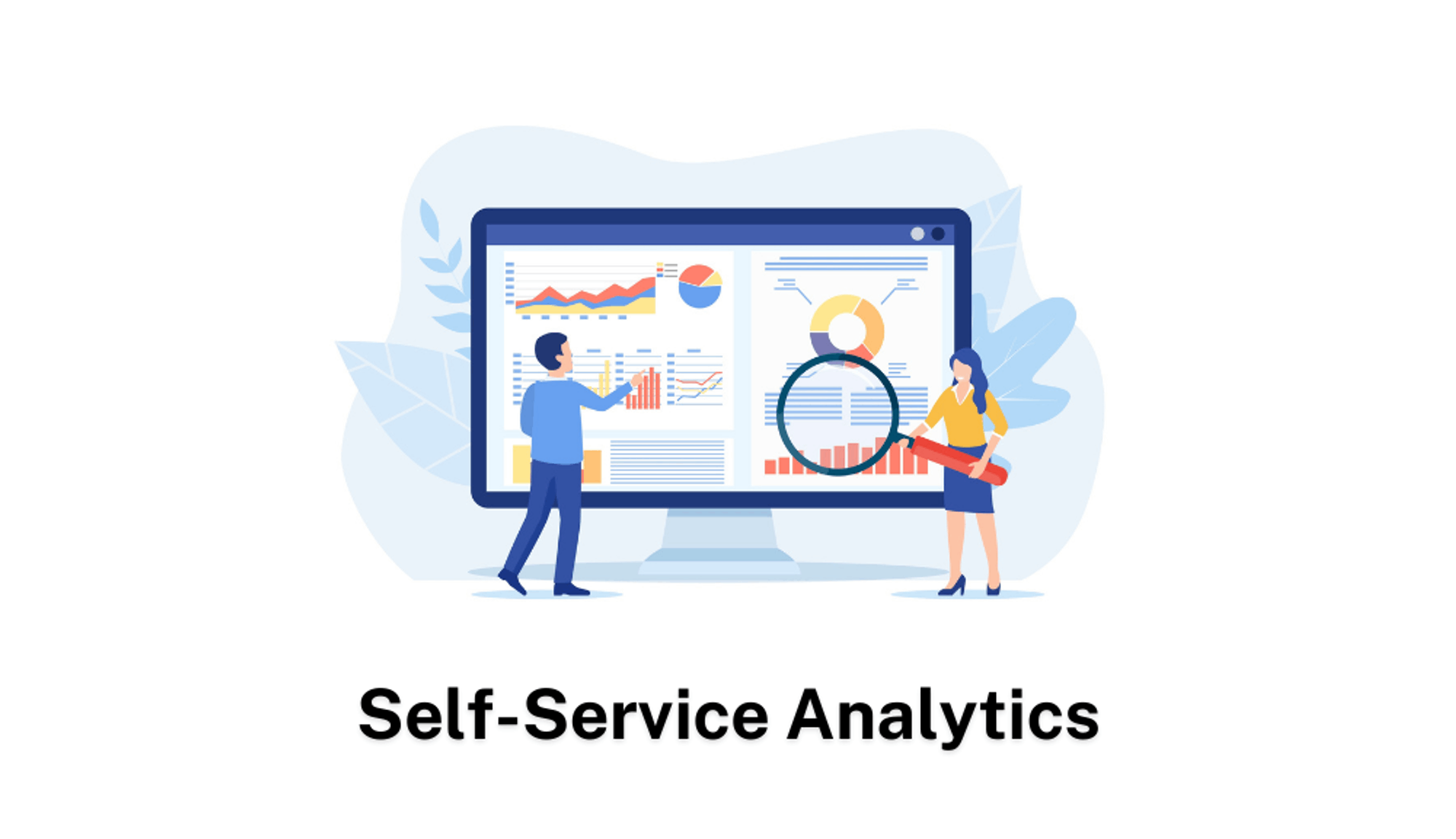


Zenlytic Helps KOIO Achieve Data-Driven Success
"It's just so nice to log in any time of day and have up to the day accurate data. It's been a fun surprise for me just to have a better view into how our product has been selling. And like, men, women, by style, by size, by specific product, that's been a nice unlock for us through Zenlytic."

LLM's & Semantic Layer: Self Serve has Entered the Chat | Zenlytic
Paul, the CTO and co-founder of Zenlytics, discusses how LLMs and semantic layers enable self-serve analytics. He explains that self-serve is a spectrum that increases capabilities continuously based on the power of underlying technology. While large language models (LLMs) are powerful tools for understanding intent and distilling it into useful information, they require business context to be able to make correct decisions. This is where semantic layers come in - they encode important information like definitions, dimensions, joins, etc., ensuring correctness every time you calculate something. Companies without proper semantic layers often struggle with ad hoc SQL queries or outdated dashboards which can lead to errors in reporting. Warby Parker is a good example of a company that spends most of its data team's time refining their semantic layer to ensure consistency in metrics across stakeholders.
