

The Evolution of Predictive Analytics in Retail
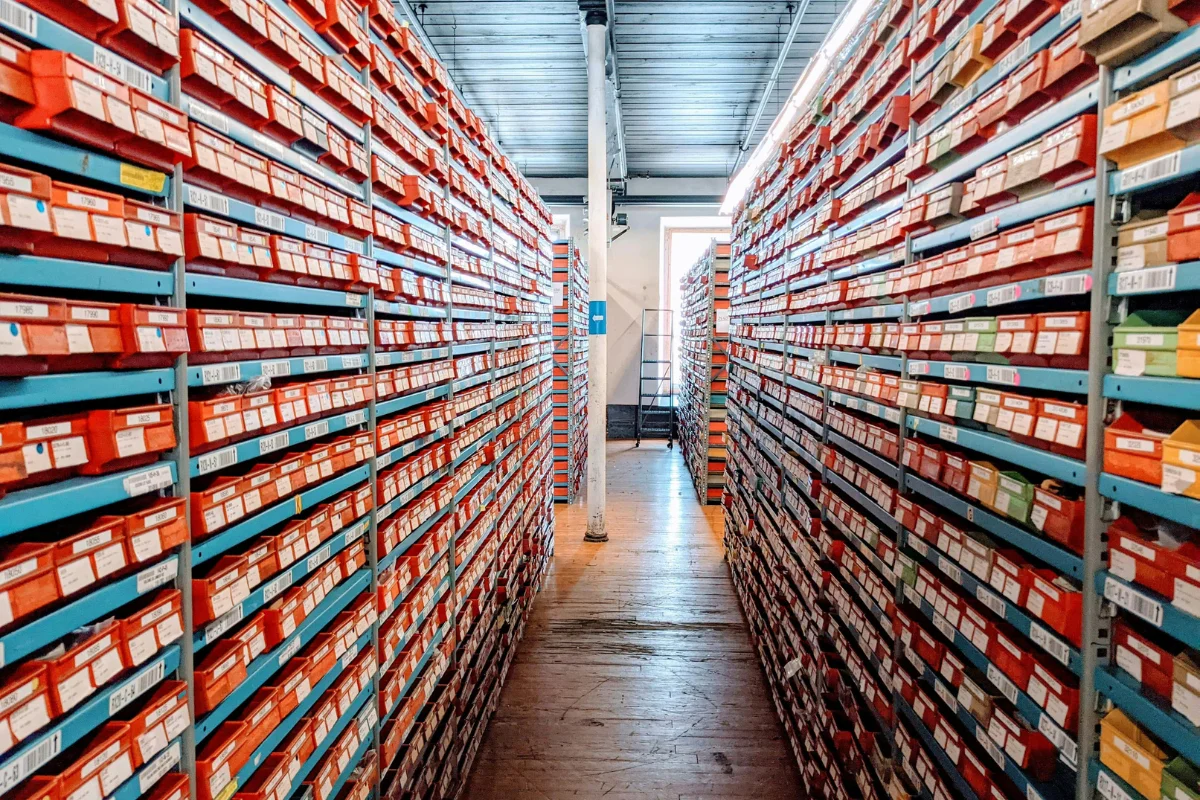
Throughout most of the 2000s and 2010s, retail analytics meant structured reports, pivot tables, and quarterly dashboards. Your team could see what happened, but it took a data analyst and several days of back-and-forth to answer why it happened.
Cloud warehouses changed how we store data, while machine learning added pattern recognition at a scale that spreadsheets couldn’t match.
Retail companies that implemented these changes early discovered that, in addition to keeping shelves stocked, retail predictive analysis also improves sales and customer experience.
The core workflow remained the same, though: a business user asks a question, then the data team answers it whenever the queue clears. The gap between question and decision remained wide.
Latest Trends in Retail Predictive Analytics Technology
Even with these developments, the distance between what leading retailers do with data and what most retailers actually do has never been wider.
Here’s a look at the latest changes driving that gap today:
- Agentic AI Over Static Dashboards: The most notable development in retail predictive analytics technology is the move away from pre-built dashboards toward AI data analysis agents that answer questions in plain English. For example, your merchandiser can ask about sell-through by region and get an answer with full data lineage in seconds.
- Real-Time Demand Forecast Models: Retailers are moving from weekly batch forecasts to models that refresh as soon as new sales, weather, and event data arrive. With this development, your replenishment calls can now respond to what’s happening today rather than last Monday’s report.
- Unified Data Across Every Channel: Omnichannel retailers now pull data from in-store POS, ecommerce platforms, and mobile apps into a single warehouse. The retailers getting the most value are the ones that have moved past siloed reporting and treat AI-driven retail data analytics as a discipline that touches every commercial function.
- Personalized Offers at Individual Scale: Leading retailers use predictive models to tailor offers, emails, and product recommendations to each customer. McKinsey research shows that personalization can increase revenue by 5-15% and cut customer acquisition costs by up to 50%, ensuring a high ROI.
How Retail Data Teams Are Adopting Predictive Analytics Today
Even with better tools available, getting real value from predictive analytics in retail can be challenging. Most retail data teams sit somewhere between 2 very different realities right now.
Here’s how the realities typically play out:
1. The AI-on-BI Dead End: You’ve layered a popular BI tool onto your existing warehouse, and twelve months in, your category managers still route every forecast question back to the data team.
Your business users can’t tell whether the AI’s outputs are correct, so every number comes with a verification request.
Latent Signalcraft notes various AI-on-BI challenges in a Reddit discussion:
“I have seen a few teams try to add AI into BI, but it only works when the semantic layer and data models are already stable. Without that foundation, the assistants just guess and produce summaries that don’t line up with the metrics people actually use. From what I have benchmarked across different maturity patterns, the helpful cases are things like guided exploration or explaining metric definitions, not fully automated insights. The gap is usually in governance, since most orgs do not have a clear evaluation loop to check whether the AI’s answers stay consistent over time.”
2. The Spreadsheet Holding Pattern: Your planning team runs weekly demand reviews out of Excel or Google Sheet files, pulled from 3 or more different systems.
You know AI could help, but the prospect of a 6-month data setup before seeing any value keeps your team on the sidelines, and a newer competitor moves faster every quarter.
Then there’s a third group.
3. The Teams That Have Cracked It: The retail businesses making real progress have moved past “can we predict this?” and ask instead, “how fast can we act on it?”
Let’s say you run a grocery chain that moved to a natural language data analytics agent. You can cut the time between a pricing anomaly and a corrective decision from 3 days to the same afternoon because your category manager can ask the question directly rather than file a request.
Your data team’s value multiplies when business users get trusted answers without having to file a request.
Common Challenges With Retail Predictive Analytics

Good data doesn’t guarantee good decisions. Most of the friction in retail analytics comes from the same handful of problems, no matter the tools your team has tried.
Let’s take a look at what consistently holds retail teams back:
- Data Trust Gaps: Your business users won’t act on numbers they don’t trust. When 2 people pull the same metric and land on different answers, decisions stall, and the data team takes the blame, even when the underlying data is correct.
- Black Box Outputs: Many predictive models produce results that only the person who built them can explain. Your retail operators need to understand why a model made a recommendation before they stake a purchase order on it. This is one of the areas where the role AI plays in business intelligence has had to evolve beyond what first-generation tools could offer.
- Analyst Bottlenecks: Every question a business user can’t answer on their own becomes a ticket in the data team’s queue. Those queues grow fast in retail, where inventory, pricing, and promotion calls are time-sensitive.
- Months of Setup Before Any Value: Legacy BI platforms often required 6 months of data modeling before business users could ask a single question. With some modern tools, you can start asking questions as early as the first day of implementation.
What to Look for in a Retail Predictive Analytics Platform
A platform that only visualizes data won’t move your retail team forward.
You’ll want to focus on the key qualities below when choosing the right retail predictive analytics solution.
- Natural Language Queries: Your merchandisers, marketers, and store operations leaders shouldn’t need SQL to ask a data question. The best retail predictive analytics tools make natural language querying a baseline requirement rather than a premium add-on.
- Automated Semantic Context: The best platforms learn your business’s metric definitions as your team asks questions. The platform’s answers stay consistent across every department without months of manual setup.
- Explainable Output: Every answer should include a detailed breakdown showing the logic behind it. When a forecast says demand will drop by 20% next week, your team needs to see the reasoning behind that number to act on it with confidence.
- Governance Controls: You’ll need row- and column-level permissions to keep sensitive data secure. The right people should see the right data every time, without a data engineer manually managing access for every new hire.
Why Retail Teams That Need Deep Answers Choose Zenlytic
Zenlytic’s AI data analyst, Zoë, handles the questions retail operators care about most. Their platform delivers what legacy BI tools and AI-on-BI solutions have consistently failed to provide: answers that include the system’s logic.
For instance, when a buyer wants to know why a product’s sell-through rate dropped across 3 regions, here’s what happens:
- Zoë handles the question in plain English
- She generates the SQL
- She then applies data governance
- She finally returns a result with full data lineage.
All this happens in seconds, and you get a clear, citable answer rather than waiting 3 days for a ticket to clear.
Companies such as J.Crew and Madewell have placed Zenlytic at the center of their data operations. Amanda Yan, the company’s Head of Data, puts it plainly:
“We’ve tried every AI-powered platform out there. But our self-serve users still asked us to verify everything. Zenlytic solves this. Once our end users understand the results, they trust the results.”
For retail teams, that trust is the difference between a tool and a competitive edge.
Your retail team gets more than an AI query tool with Zenlytic.
Here’s what that looks like:
- Real Questions Instead of Pre-Built Queries: Zoë answers the questions your retail team actually has, from “why did margins drop in our main market every month in the last quarter?” to “which SKUs are trending toward stockout before the holiday window?” Your planners get answers in seconds, in plain English, with no SQL required.
- The Hard Questions Dashboards Have Never Touched: Zenlytic’s Clarity Engine handles the multi-step, cross-category questions that no pre-built report has ever been built to answer. It combines the depth of raw SQL with governed, explainable outputs, so your retail ops team gets the full picture without involving a data engineer.
- Consistent Predictions as Your Team Grows: Memories ensures Zoë remembers every metric definition and business context your team has built. A new analyst asking the same question as a senior planner gets the same answer, which is the kind of consistency that makes data-driven decisions stick across small and large retail organizations.
- Retail Metrics Your Entire Team Can Trust: Citations traces every number Zoë returns to its exact source table and calculation. When your procurement personnel present a sell-through figure to the VP, they can show exactly where it came from rather than hoping no one asks.
Your analysts are too valuable to spend their day answering basic data requests.
Ask Zoë yourself and get instant answers from your retail data.
The Future of Predictive Analytics in Retail
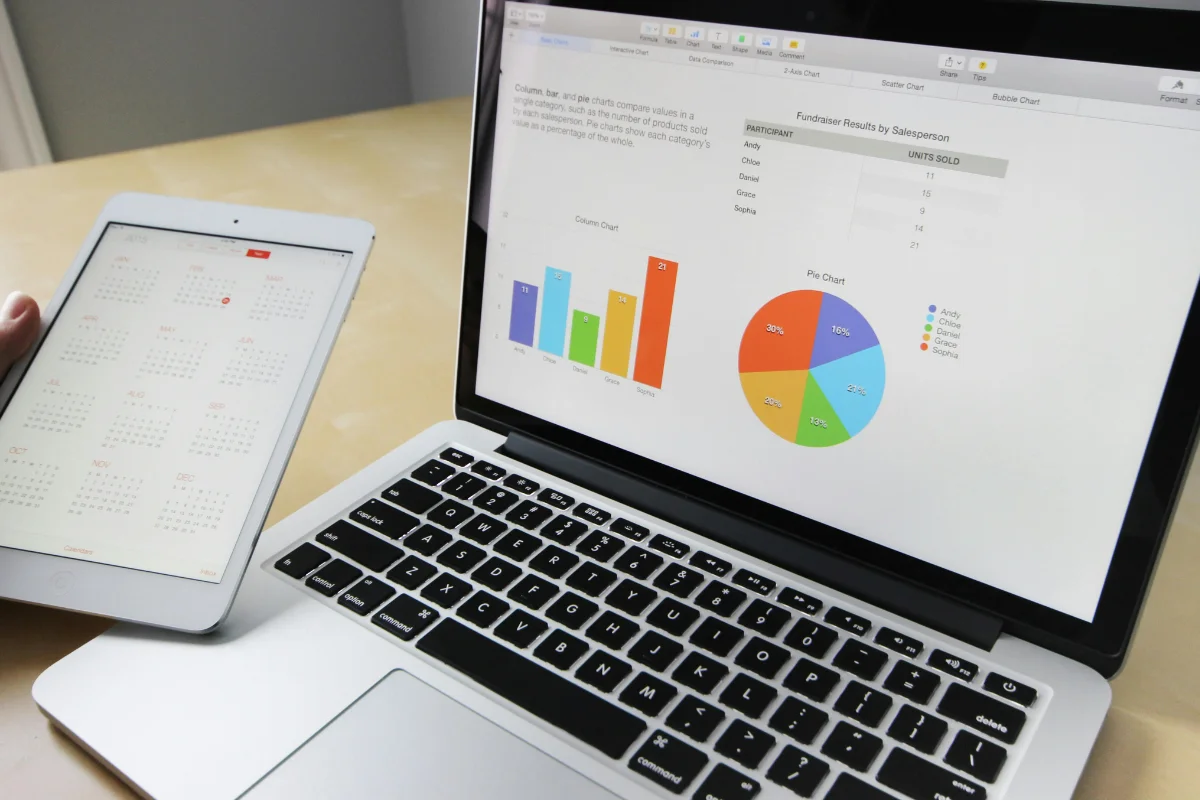
The direction retail analytics will take next is already visible in the decisions the most competitive retailers and platform vendors are making today.
Here’s where the category moves over the next few years:
Autonomous Inventory Decisions
Analytics agents will move beyond answering questions and begin executing low-stakes inventory decisions independently, such as triggering replenishment orders when demand signals cross a threshold.
Your planning team will focus more on exceptions than on routine restocking calls.
Predictive Personalization at the Store Level
Retailers will use customer behavior data to tailor in-store product placement and localized promotions by store.
A product that performs well with a specific customer profile in one location will automatically surface as a priority in stores with a similar demographic.
Cross-Functional Forecast Alignment
Supply chain, marketing, and commerce teams will work from a single predictive layer rather than 3 separate models that contradict each other in Monday morning meetings.
Continuous Model Learning Without Data Team Intervention
The next generation of analytics agents will retrain on fresh data as it arrives, without a data engineer scheduling a weekly model refresh, ensuring your forecasts reflect what happened as recently as a few hours ago.
Natural Language as the Default Interface
SQL will become a background process rather than a skill requirement. Your entire commercial team, from the VP of merchandising down to the store planner, will interact with data the same way they send a message.
Retailers that treat these developments as distant possibilities will find themselves 2 to 3 years behind peers who moved early.
The analytics agent category is at the same point cloud warehouses were in the 2010s: a few early adopters are pulling ahead, the early majority is starting to pay attention, and the window to gain a structural advantage is still open. But things won’t stay this way for long.
Frequently Asked Questions (FAQs)
Here are answers to the questions teams often ask when evaluating predictive analytics platforms for the retail industry.
How Accurate Are Retail Predictive Analytics Models in Practice?
Retail predictive analytics models can achieve 85-95% accuracy in practice for short-term demand forecasts, though results vary by tool, product category, and time horizon.
High-variability products, such as seasonal apparel, tend to see lower accuracy over longer periods. Your model’s quality depends heavily on the quality of your historical data and how often it receives fresh data to learn from.
What Data Volume Is Required for Reliable Retail Predictions?
Reliable retail predictions generally require at least 12 to 18 months of historical transaction data as a starting point.
Accuracy improves as you add more diverse signals, such as promotion history and customer behavior patterns. Your model gets smarter the more complete and varied your data set becomes over time.
Can Predictive Analytics Work for Small or Mid-Sized Retailers?
Predictive analytics can work well for small to mid-sized retailers, particularly when the platform doesn’t require extensive data work upfront.
With a cloud data warehouse already in place, a mid-sized retailer can get real value without a full data science team. It’s best to choose a platform that builds its semantic context as your team uses it.
How Long Does It Take to Implement Predictive Analytics in Retail?
Implementing predictive analytics in retail can take anywhere from a few days to several months or years, depending on the platform you choose.
Legacy BI setups often required months of data work before users could ask any questions at all. Modern analytics agents connect to your cloud warehouse and start returning trusted answers in days.
Conclusion
Retail teams that act on retail predictive analysis trends now will have a meaningful head start over those that wait for the technology to become standard. Your data doesn’t have to sit in a warehouse while business users file requests and analysts clear queues.
Zoë gives your retail team trusted answers with full data lineage on every metric. The agent keeps definitions consistent across every user, ensuring the same question gets the same answer whether a planner asks it today or 6 months from now.
Can’t wait to give your team that level of reliability?
Ask Zoë yourself and see what your retail data can do.